
Dos & Donts After Cataract Surgery - A Complete Post-Operative Care Guide

Do’s & Don’ts After Cataract Surgery: A Complete Post-Operative Care Guide

A conventional age-related condition, in cataracts, the natural lens of the eye becomes cloudy and less transparent. While it may initially have little impact on your sight, cataracts can grow over time, and it may start to interfere with your abilities to accomplish everyday tasks if it remains unaddressed. It is usual for the level and quality of vision achieved to decrease as a result of a cataract.

Cataract surgery usually takes lesser time to complete. The surgery takes less than an hour. The doctor will first place eye drops in your eyes to dilate the pupil. Local anesthetics will get administered to numb the area. The doctor may even apply a sedative to assist you in relaxing. If given a sedative, you will be awake but groggy throughout the procedure.

Today, you will learn more about the aftercare procedure once your cataract surgery gets complete.

What is a Cataract Surgery?

Cataract surgery typically takes no more than 15 minutes and is performed under local anesthesia, making it virtually painless. While the procedure itself is very prompt, it can take a while for your eyes to acclimate to the synthetic lens used to substitute your natural lens in the days or even weeks post-surgery.

There are several things you can do while recovering from surgery. You need to care for your eyes and optimize the overall healing process. To assist you in preparing for this, we have created a comprehensive guide. It covers everything you could want to know about the dos and don’ts following cataract surgery.

Tips for Post-Cataract Surgery

You should be able to leave the hospital the same day as your cataract surgery. When you leave the hospital, you may have a pad and plastic shield over your treated eye, which can usually get removed the next day. The feeling should return to your eye after a few hours after surgery, but vision may take a couple of days to recover.

These side effects usually go away after a few days, but it can take 4 to 6 weeks to fully recover. If you require new glasses, you will be unable to order them until your eye has completely healed, which usually takes six weeks. Cataract surgery has a high success rate in improving your vision and should allow you to resume normal activities such as driving.

However, keep the following tips in mind to ensure a good recovery.

Dos

  • Avoid activities that are strenuous on your eyes in the early post-op phase.

Avoiding activities, which are taxing on your eyes is critical to promoting healing, so take it easy in the first week after treatment. Throughout your various aftercare appointments, your ophthalmologist and clinical care team will be able to make the best recommendations for you.

  • Use eye drops as instructed by your eye surgeon.

Your eye surgeon will prescribe antibiotics as well as anti-inflammatory eye drops after surgery. You must use these drops as directed. They are critical in preventing infection and inflammation and thus aiding the healing process.

  • Show up for every aftercare appointment.

Receiving systematic aftercare is critical to ensuring that your recovery progresses as intended, so you must attend all of your routine follow-up appointments as instructed by your ophthalmologist and surgeon.

  • Take painkillers if needed (and prescribed).

Although the treatment itself is painless, some individuals may suffer minor discomfort during the early healing process. It usually goes away as your recovery progresses, and you can use over-the-counter pain relievers like paracetamol to alleviate any discomfort and make the healing process more comfortable.

  • Use your protective eye glasses or eyewear.

Following surgery, it is critical to use protective glasses in the early stages to reduce the risk of infection and, as a result, to guarantee a proper healing process. Wearing goggles or shields at night will keep you from rubbing your eyes while sleeping, and wearing them in the shower will keep water, soap, and shampoo out of your eyes.


Read More: Benefits of Laser Cataract Surgery

Don’ts

  • Rub your eyes.

For a variety of reasons, vigorous rubbing of your eyes can hurt the healing process. Rubbing, for example, can result in bacteria entering the eye, which can lead to infections. Furthermore, putting pressure on your eyes through extensive rubbing can harm the cornea, the outer window of the eyes and is detrimental to the healing process.

  • Drive after surgery.

You should avoid all intensive activity directly afterward your treatment, which means you would be unable to drive the day of surgery. We recommend that you arrange transportation home ahead of time, preferably by a friend or family member who will be able to see you inside and ensure that you are comfortable once you arrive.

  • Wear eye makeup for the first week post-surgery.

One of the few precautions you should take after surgery to aid the healing process is to avoid wearing eye make-up. Even when you’re extra cautious, make-up particles can irritate and lead to infection during the recovery period, so you are recommended not to wear any for at least the first week after treatment.

  • Swim or use sauna.

Swimming pools, hot tubs, and saunas should be avoided in the first few weeks after treatment because water can carry bacteria that are harmful to the eyes. Swimming gets considered a strenuous activity, and you ought to evade it in the days following treatment.

  • Expose your eyes to dust or dirt.

Because your eyes will be more sensitive during the healing process, it is critical to avoid all possible allergens to achieve a smooth recovery. Airborne irritants such as dust and pollen, as well as dirt, smoke, wind, and sunlight, can all be considered.

What Is a Typical Cataract Surgery Recovery Time?

Don’t get too concerned if your vision appears cloudy, blurry, or distorted after you remove the eye shield for the first time. It may take time for your visual system to adjust to the cataract removal and the intraocular lens used to replace your natural lens. During this initial adjustment, some patients even report noticing “wavy” vision or distortions. This phenomenon, if it exists, should last for a short time.

Many people experience having clear vision within a few hours of getting cataract surgery. However, everyone heals differently, and it may take up to a week or two before you see images in their sharpest focus. A follow-up consultation with your cataract surgeon gets scheduled the day after the procedure. It ensures that there are no complications.

If you don’t start noticing any improvement in your blurry vision, or if you experience eye pain or considerable distress in the days following this visit, please notify your surgeon.

Read more: What is Laser Cataract Surgery?

Read more: How to Select Lenses for Cataract Surgery in India?

Conclusion

Follow every one of these dos and don’ts after your cataract surgery to ensure a good recovery. If you need both eyes treated, the sooner your first eye heals, the sooner you can get treatment for your other eye.

While the list may appear detailed, a significant part of your recovery will only get based on reason. Consider your daily actions and whether they might affect your recovery. In the first few days after cataract surgery, your eye is essentially an open, healing wound. Take extra precautions in the first few days, and the rest will fall into place.

Remember only to reach out to the most advanced eye-care hospitals and clinics for your cataract surgery. The experts at Dada Laser Eye Institute will guide you through the entire process. The doctors explain the risks involved and share their knowledge about cataracts before and after your treatment. You can get in touch with the experts and get proper consultation by giving us a call at (+91) 9922995549 or visit our website to fill out a form.

Cataract Types, Causes, Symptoms & Risk Factors

Cataract Types, Causes, Symptoms and Risk Factors

Clear vision remains one of the essential attributes to function well in your day-to-day life. When it gets compromised, it can cause trouble in performing basic tasks. We have a natural lens inside our eyes. The lens bends (refracts) light rays that enter the eye to assist us in seeing, and it should be clear. Your lens becomes cloudy if you have a cataract. It’s similar to looking through a foggy or dusty car windshield. With a cataract, things appear blurry, hazy, or less colorful.

Cataracts are most common in people over the age of 55. However, as a result of trauma or medications, they can also occur in infants and young children. Cataracts usually develop in both eyes, but one may be worse than the other. Cataract treatment gets determined by the degree of visual impairment caused by the cataract. If a cataract only has a minor impact on vision, or if it has no impact at all, you may need no treatment. It is advisable to keep an eye out for any increased visual symptoms and maintain a regular check-up schedule.

Today, you will learn more about cataracts – their causes, types, symptoms, and risk factors. It will give you an insight into the eye condition.

What is Cataract?

A cataract is a clouding of your eye’s usually clear lens. Seeing through cloudy lenses is similar to looking through a frosty or fogged-up window for people who have cataracts. Cataracts can cause clouded vision, making it difficult to read or drive a car (especially at night). Most cataracts develop slowly and do not interfere with your vision at first. However, cataracts will eventually obstruct your vision.

Intense lighting and eyeglasses can help you deal with cataracts at first. However, if your vision keeps interfering with your daily activities, you may require cataract surgery. Changes in the proteins and fibers of the lens cause the clouding of the lens. Cataract surgery, fortunately, is generally a safe and effective procedure.

Read more: What is Laser Cataract Surgery?

What are the Cataract Types?

Cataracts form when protein deposits in the lens of your eye, causing it to become cloudy. It prevents light from passing through. You may lose some of your vision as a result of it.

Many layers make up your eye lens, much like an onion. The capsule is at the very top. The cortex is the layer inside this capsule, and the nucleus is the layer on the inside. A cataract can form in any of these locations. Cataracts get their name from where they are in the lens and come in a variety of forms.

Here is the list of various Cataract Types due to their causes and severity:

  • Nuclear Cataracts

Nuclear cataracts, also known as nuclear-sclerotic cataracts, are the most common type seen by doctors. Someone who lives long enough usually acquires one. They form in the nucleus of the lens, located in the center of the lens. As they deteriorate, your reading vision may improve. It’s called second sight, but it’s fleeting.

  • Cortical Cataracts

Cortical cataracts take shape on the cortex, located on the outside edge of your lens. They begin as white wedges that resemble triangles and point toward the center of your eye. They scatter light as they grow. The most noticeable symptom is glare. Driving at night may be difficult for you.

They can also cause your vision to become hazy as if you’re looking through a fog. It may get hard to distinguish between similar colors or to determine how far away an object is. Because they can cause problems with both near and far vision, they usually get removed early on.

  • Congenital Cataracts

Congenital cataracts you are born with or develop as a child. Some get caused by your genes, while others get caused by an illness. They may not require treatment if they are small or outside the center of the lens. However, if a baby is born with one that blocks vision, a doctor must remove it because it can prevent the eye from learning to see.

  • Posterior Subcapsular Cataracts

Posterior subcapsular cataracts develop just inside the back of your lens capsule, which is the part of your eye that surrounds and holds the lens in place. They are directly in the light’s path as it passes through the lens. They manifest faster than other types of cataracts, and you may notice symptoms within months. They impair close-up vision and make it difficult to see in bright light.

  • Anterior Subcapsular Cataracts

Anterior subcapsular cataracts develop near the front of your lens capsule. It can get caused by an injury or swelling in your eye. Atopic dermatitis, a type of eczema, can also cause this.

  • Secondary Cataracts

When a cataract develops due to another condition or medical treatment, it gets referred to as secondary cataract formation. Diabetes, the use of steroids such as prednisone, and even cataract surgery are all potential causes.

You will find many other cataract types, but these get priority due to their causes and severity. In any case, if you have blurred vision, you need to get your eyes checked by a certified and experienced ophthalmologist at the earliest.

What Are the Causes of Cataract?

The most common cause of cataracts remains aging. It is due to usual eye changes that begin around the age of 40. That is when normal proteins in the lens begin to degrade. It is what makes the lens cloudy. People over the age of 60 usually experience some clouding of their lenses. However, vision problems may not appear for years.

Some inherited genetic disorders that cause other health problems can increase your chances of developing cataracts. Other eye conditions, previous eye surgery, or medical conditions such as diabetes can also cause cataracts. Long-term use of steroid medications can also result in the development of cataracts.

Let’s take a look at some of the causes of cataracts, other than aging.

  • Diabetes: People with diabetes are more likely to develop cataracts.
  • Medications: Certain medications have become linked to the development of cataracts.
  • Ultraviolet Radiation: According to research, unprotected exposure to ultraviolet (UV) radiation has seen linkage to an increased risk of cataract formation.
  • Smoking: There may be a link between smoking and increased lens cloudiness.
  • Alcohol Consumption: Several studies have found that patients who consume more alcohol have more cataracts than those who consume less or no alcohol.
  • Nutritional Deficiency: Although the findings are inconclusive, studies suggest a link between cataract formation and low antioxidant levels (for example, vitamin C, vitamin E, and carotenoids). Further research may reveal that antioxidants can aid in the reduction of cataract growth.
  • Family History: If a close relative has had cataracts, you are more likely to develop one yourself.

Cataracts are rarely present at birth or develop soon after. You can inherit them or acquire them due to maternal infection (such as rubella) during pregnancy. A cataract can also develop due to an eye injury or surgery for another eye condition, such as glaucoma.

What are the Symptoms of Cataract?

Cataracts usually form slowly. You may be unaware of their presence until they begin to block light. Then you may notice:

  • Blurred or hazy vision.
  • Colors have a lower intensity.
  • Increased sensitivity to light glare when driving at night.
  • Night vision becomes harder.
  • Change in the refractive error of the eye, also known as an eyeglass prescription.
  • Color fading or yellowing.
  • In a single eye, you have double vision.

At first, the cloudiness in your eyesight triggered by a cataract may impair only a tiny fraction of the eye’s lens, and you’d be oblivious of any vision loss. As the cataract grows in size, it clouds more of your lens and distorts the light that passes through it. It could result in more noticeable symptoms.

Read More: How to Select Lenses for Cataract Surgery in India?

What are the Risk Factors of Cataract?

The risk of cataracts amplifies due to specific factors that influence the health of your eyes. You can avoid some of these risks by keeping some of your habits in check. The aspects that increase the risk of cataracts are:

  • Increasing age – The older you grow, the risk of cataracts amplifies.
  • Diabetes – A condition that can cause secondary cataracts.
  • Excessive exposure to sunlight – It results in excessive exposure to radiation, resulting in the need for cataract surgery.
  • Smoking – Some studies suggest smoking can hamper your vision, and when combined with other factors, can result in a cataract.
  • Obesity – It can cause a strain on the eyes, blurred vision, calling for the need for cataract surgery.
  • High blood pressure – Your lens can become cloudy or hazy due to high blood pressure as it affects the health of your eyes.
  • Previous eye injury or inflammation – Sometimes, a previously inflicted injury can result in a cataract.
  • Prolonged use of corticosteroid medications – These medications are associated with cataract development.
  • Drinking excessive amounts of alcohol – Research found increased cataract formation in patients with higher alcohol consumption than those with none or lower alcohol consumption.

Read More: Benefits of Laser Cataract Surgery

Read more: Laser Cataract Surgery Vs Traditional: Which is Better?

Conclusion

There is no treatment to prevent or slow the progression of cataracts. Changes in vision caused by age-related cataracts can be very gradual. Some people may fail to notice the visual changes at first. However, as cataracts progress, vision symptoms worsen. Researchers have linked eye-friendly nutrients like lutein and zeaxanthin, vitamin C, vitamin E, and zinc to a lower risk of certain eye diseases like cataracts. However, do not self-diagnose your eye condition. Seek help from a licensed and experienced ophthalmologist.

Remember only to reach out to the most advanced eye-care hospital and clinic for your cataract problem. The experts at Dada Laser Eye Institute will guide you through the entire process. The doctors explain the risks involved and share their knowledge about cataracts before your treatment. You can get in touch with the experts and get proper consultation by giving us a call at (+91) 9922995549 or visit our website to fill out a form.

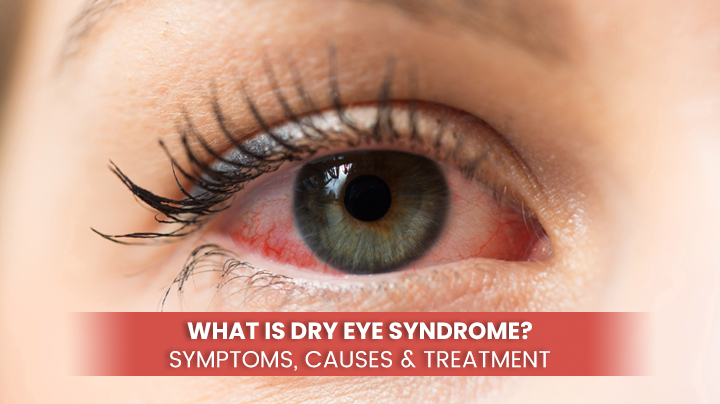
What is Dry Eye Syndrome - Symptoms, Causes & Treatment

What is Dry Eye Syndrome? Symptoms, Causes & Treatment

Your eyes need enough lubrication to make sure they do not sting or burn. Tears act as a lubricant for your eyes, but when you fail to produce enough of it, it leads to inflammation and damage of your eye’s surface, thus causing dry eyes. It can get uncomfortable, and you usually will experience dryness of eyes in specific situations like on an airplane, in an air-conditioned room, or in front of the computer screen for hours together.

Fortunately, there’s a treatment for dry eyes, and it can range from lifestyle changes to prescribing eye drops. However, you will most likely have to take these actions indefinitely to control the symptoms. If your eyes become dry or irritant, make sure to visit your ophthalmologist immediately for treatment.

Today, you will learn more about dry eye syndrome, its symptoms, causes, and treatment options.

What is Dry Eye Syndrome?

To put it simply, dry eyes or dry eye syndrome is an eye condition in which your eyes do not produce enough tears to provide lubrication to the eyes. In such cases, visiting an eye doctor is a must before the situation worsens. For your eyes to remain healthy and comfortable, an adequate and consistent layer of tears on the surface of your eyes remains essential.

Additionally, dry eye syndrome can affect one or both eyes and can lead to inflammation in some cases. It can occur at any age and even in people who are fit and healthy. Sometimes, vitamin A deficiency can also lead to dry eyes. Now that you have slight awareness about dry eyes, you should learn more about the signs and symptoms. So, you can seek treatment accordingly.

What are Signs & Symptoms of Dry Eyes?

As mentioned earlier, dry eye syndrome can affect you in specific situations where your eyes find it difficult to produce enough tears to keep themselves lubricated. But, unless you know the signs, finding a solution might get complicated. Therefore, if you lookout for the following signs and symptoms, you can avert any drastic situation. You will find that these symptoms are far-ranging, and you cannot neglect them if you want your eyes to remain healthy and well.

The range of signs and symptoms of dry eye syndrome include:

  • a stinging or burning sensation, and a feeling of dryness and soreness in your eyes
  • stringy mucus in or around your eyes
  • eye sensitivity to smoke or wind
  • redness of your eyes
  • eye fatigue after reading, even for a short time
  • blurred vision, especially towards the end of the day
  • difficulty keeping your eyes open
  • eyelids sticking together when waking up
  • sensitivity to light
  • discomfort when wearing contact lenses
  • tearing
  • double vision

If you notice any of these signs or symptoms affecting you, it can lead to difficulty functioning in your daily life. Moreover, if you find your eyes extra sensitive to light, increasing pain, or deterioration of eyesight, it’s time for you to visit the doctor at the earliest.

What Are Causes of Dry Eyes?

Tears form a film over your eyes to keep them healthy and lubricated. While our eyes produce tears all the time, the fluid covering the eyes may not remain stable between your blinks, thus causing dry eyes. It temporarily affects your vision, and if you do not take immediate measures, it can lead to something a lot more severe.

Further, water, fatty oils, protein, electrolytes, and bacteria-fighting substances make up your tears. It keeps your eye surface clear, thus helping you see clearly. Now, when you have dry eyes, it could result from an imbalance in this tear-producing mixture or insufficient production of tears. Here’s a detailed look at the causes:

  1. Decreased tear production: As you age, especially after 40 years, your tear production gradually decreases. When it falls beyond a specific limit, it can cause dry eyes or dry eye syndrome, leading to irritation and inflammation. According to some studies, dry eyes occur more commonly in women, most likely after menopause due to hormonal changes.

However, reduced tear production gets linked to other factors as well. They include autoimmune diseases, radiation treatment, vitamin A deficiency, diabetes, or even refractive eye surgeries like LASIK. But, in the latter case, the symptoms stay temporarily.

  1. Increased tear evaporation: The tear film on your eyes is composed of water, oil, and mucus. If any of these substances wear down or are in imbalance, it can lead to dry eyes. The oil present in tears helps smoothen the tear film and reduces the rate of evaporation. However, you will find increased tear evaporation when oil levels become faulty.

The tear film gets made up of three layers – oil (outer layer), water (middle layer), and mucus (innermost layer). When the central layer thins down, the oil and mucus may touch each other resulting in stringy discharge, which is the most common sign of dry eye syndrome.

Climatic or environmental factors and your lifestyle can also cause dry eyes. If you use a computer or a laptop continuously for hours together, the increased visual concentration reduces your blinking rate, causing your eyes to become dry.

Read more: How Dehydration impacts your eyes?

What are Risk Factors of Dry Eyes?

Factors that influence dry eyes could get termed as risk factors. It gives you an idea of whether you might find yourself experiencing dry eyes given these scenarios. You can avoid most of these risk factors by making some lifestyle modifications. However, some aspects occur naturally, and you need to monitor the health of your eyes continuously. In this way, you can avoid dry eye syndrome altogether.

You can take a better look at the following risk factors and avoid them wherever possible.

  • Age – As you know, age plays a role in the production of tears. When you’re above 50 years of age, you will find a slight reduction in tear production, making dry eyes a common occurrence.
  • Gender – Reduction in tear production more likely affects women than men, according to some studies. Women experience hormonal changes due to menopause, pregnancy, or birth control pills, which is how they experience dry eye syndrome more commonly.
  • Diet – If you have to follow a diet that remains low in vitamin A or omega-3 fatty acids, the risk of you experience dry eyes increases. Therefore, eating foods like carrots, broccoli, fish, walnuts, and vegetable oils will reduce your deficiency and help you maintain healthy eyes.
  • Medical – If you wear contact lenses or have a history of refractive surgery, you will most likely experience dry eyes.

What are Complications of Dry Eyes?

When it comes to any medical condition, complications can arise at any time. Therefore, you need to remain prepared for any unforeseen risk that could result due to dry eye syndrome. The best way to counter these complications is to increase its awareness and knowledge. You can go through the following list of issues that could happen due to dry eye syndrome.

  • Eye infections – Tears protect the surface of your eyes from any contamination. However, without adequate production of tears, you may have an increased risk of eye infections.
  • Damage to the surface of your eyes – If left untreated, dry eye syndrome can lead to inflammation of the eyes, abrasion of the corneal surface, corneal ulcers, or in some cases, even vision loss.
  • Decreased quality of life – You might find it difficult to perform everyday activities, such as reading if you have dry eyes.

Dry Eyes: Prevention

Preventive measures always help in reducing the risk of dry eyes. If you know the situations that could cause dry eyes, it becomes easier for you to avoid them and be better prepared. Now that you already know the symptoms of dry eyes, you can adopt the following preventive tips. Most of these situations remain in your hands, therefore allowing you time to avoid dry eyes altogether. Here’s a look at some of the preventive measures:

  • Avoid blowing air in your eyes through hair dryers, car heaters, air conditioners, or fans.
  • Add moisture to the air during winters with a humidifier.
  • Wear wraparound sunglasses or other protective eyewear to block wind and dry air.
  • Take eye breaks during long tasks like reading or using a computer. You can close your eyes for a few minutes or blink for a few seconds to spread your tears evenly over your eyes.
  • If you reside at high altitudes or are traveling in airplanes, it can get dry. So, you may find it helpful to frequently close your eyes for a few minutes at a time to minimize tear evaporation.
  • Position your computer screen below eye level to avoid opening your eyes wider to view it.
  • Quit smoking and avoid passive smoking. Ask your doctor for effective ways to stop smoking and if you don’t smoke, stay away from those who smoke. It can worsen dry eye symptoms.
  • If you have chronic dry eyes, use eye drops (as prescribed by your eye doctor) even when your eyes feel well enough to keep them properly lubricated.

Read more: How to Choose the Right LASIK Hospital in India for Your Eye Surgery?

What are Diagnostic Procedure for Dry Eyes?

You will find several diagnostic procedures to determine the cause of dry eyes and subsequently finding a solution. Apart from your standard eye exam, other tests also help acquire the knowledge your ophthalmologist needs to prescribe the correct treatment for your dry eyes. As such, the following tests and diagnostic procedures will help you gain some insight into dry eye syndrome.

  1. A comprehensive eye exam includes a complete history of your overall health and the health of your eyes, which can help your ophthalmologist diagnose the cause of your dry eyes.
  2. Your eye doctor can use the Schirmer test to measure your tear production. In this test, blotting strips of paper get placed under your lower eyelids, and after a few minutes, he/she will measure the amount of strip soaked by your tears.
  3. In the phenol red thread test, a thread filled with pH-sensitive dye (tears change the dye color) gets placed over the lower eyelid, kept for 15 seconds, and then gets measured for tear volume.
  4. Some other tests use special dyes in eyedrops which help determine the surface condition of your eyes. The ophthalmologist looks for staining patterns on your corneas and measures the time it takes before your tears evaporate.
  5. A tear osmolarity test measures the composition of particles and water in your tears. If you have a dry eye disease, your eyes will carry less water.

What are Dry Eyes Treatments?

If you do not have acute dry eye syndrome, your ophthalmologist will prescribe regular use of over-the-counter eye drops. However, if you have severe and persistent symptoms, you might have to go for other treatment options. While some treatments focus on reversing the condition, others prevent it from getting worse. When you visit your eye doctor, he/she will prescribe the correct remedy for you, depending on your eyes. Let’s take a look at some of these treatment options.

  • Medications – Your doctor might prescribe eye drops or medicines that reduce inflammation and increase tear production. Your ophthalmologist may recommend antibiotics or corticosteroids to reduce inflammation. If your tear production remains low, your doctor might prescribe cholinergic drugs, which will help increase it. You will find these medications in the form of pills, gel, or eyedrops.
  • Surgery – If you have an eyelid-related condition, such as your eyelids remain turned outwards (ectropion), your ophthalmologist may refer you to an eye surgeon. He/she may specialize in plastic surgery of the eyelids – oculoplastic surgeon.
  • Other procedures – Closing your tear ducts to reduce evaporation, using specialized contact lenses, eye masks to unblock oil glands, or using light therapy to massage your eyelids can get used to treating dry eyes.

Either way, only your eye doctor will know the kind of treatment that will help you get rid of dry eyes. So, seek consultation and guidance from your ophthalmologist before self-diagnosing the condition. If you notice any symptoms of dry eyes, book an appointment with the eye doctor immediately.

Conclusion

Although a common eye condition due to several factors, dry eye syndrome can cause severe damage to your eyes if left untreated. So, whenever your eyes feel irritated or inflamed, seek immediate medical help. When it comes to your eyes’ health, never wait it out as it can cause vision problems that you never had before. However, you have to find an eye doctor whose expertise and experience can give you guidance and treatment when it comes to dry eyes.

You can reach out to our experts at Dada Laser Eye Institute, Top Eye Hospital in India for the treatment of dry eyes. The eye doctors will explain the risks involved, share their knowledge, and make sure you find it comfortable to take the plunge. You can get in touch with us and get proper consultation by giving us a call at (+91) 992 299 5549 or visit our website to fill out a form.

Nearsightedness - Myopia Diagnosis And Treatment

Nearsightedness: Myopia Diagnosis And Treatment

When you find it hard to read road signs from afar but reading books up close seems easy enough, there’s a good chance that you have nearsightedness or myopia. While it’s a common condition that a pair of eyeglasses or contact lenses can fix, you can even opt for refractive eye surgery if you do not want to depend on corrective eyewear.

Since myopia is a refractive error, corrective laser eye surgery can fix the problem without any hassles. However, as always, seeking treatment from a certified and qualified eye surgeon or ophthalmologist deems necessary. Wherever you reside, find an experienced eye doctor, get a consultation, and check if you qualify for the surgery before opting for it. You might ask why? You will learn more about it in this article that talks about myopia in detail, including diagnosis and treatment options.

What Is Myopia?

A well-known vision problem, myopia or nearsightedness, occurs when the shape of your eye causes the light to bend or refract incorrectly. When the light rays focus images in front of the retina rather than on it, it causes myopia. While it can develop gradually or quickly, it usually develops, or the condition worsens in adolescence. You can compensate for the blurred eyesight with eyeglasses or contact lenses, but refractive eye surgery can get rid of the problem once and for all.

Usually, myopia symptoms include blurred vision when looking at objects afar, headaches caused due to eyestrain, the inability to drive a vehicle, especially at night, and the need to squint to see clearly. If these symptoms persist or worsen with flashes of light in one or both eyes, it’s time for you to see a doctor. Regular eye checkups can help detect any eye condition much in advance and get you the necessary treatment on time.

Considering the symptoms and causes of myopia, your eye doctor will go through a proper diagnostic process, which you will learn about next.

Nearsightedness: Myopia Diagnosis Process

A comprehensive eye examination can determine whether you have myopia or nearsightedness. It usually includes a standard vision test where you might have to read letters on a chart or a short paragraph placed on the other side of the room. Besides, to make sure it is myopia, your eye doctor might need to use a set of instruments that will make it unquestionable. These instruments can help detect the refractive error, thus helping with the eventual treatment. More often than not, you will find ophthalmologists suggest surgery to remove the refractive error. In any case, these examination devices include:

Retinoscope – A retinoscope shines light into your eyes, which reflects off your retina. It helps determine whether you have myopia (nearsightedness) or hyperopia (farsightedness).

Phoropter – It measures the extent of refractive error. It goes on to determine the correct prescription for your vision problem and helps with the treatment.

With a proper diagnosis, your eye doctor can determine the correct treatment for myopia. It will eventually reduce your dependency on corrective eyewear and improve your vision.

Read more: What Is Myopia? Learn Its Types, Symptoms, Causes & Treatments

Nearsightedness: Myopia Treatment

The aim of treating myopia or nearsightedness remains simple – improving vision. How? By focusing light on your retina with the use of corrective eyewear or refractive surgery. The treatment does not limit to wearing glasses or contact lenses or getting surgery. Managing a condition like myopia requires regular checkups and monitoring to rule out any complications. It could include glaucoma, cataracts, and any damage to retinal areas. While you might not find one single treatment for myopia, your eye doctor can determine the most effective method for you depending on the condition of your eyes and your lifestyle.

The treatment options for myopia or nearsightedness include:

  1. Eyeglasses and Contact Lenses

Wearing corrective eyewear – eyeglasses and contact lenses – helps smoothen the curvature of your cornea or the increased length of your eye. Eyeglasses remain the simplest yet effective form of treatment for myopia. Depending on your eyes, you will get prescribed either single vision glasses, bifocals, trifocals, or progressive multifocal.

On the other hand, contact lenses come in handy when you do not want to wear eyeglasses all the time. However, contact lenses might not suit everyone. So, you need to check with your eye doctor if you can and should wear them.

  1. Refractive Surgery

If you wish to reduce your dependency on corrective eyewear like eyeglasses and contact lenses, refractive eye surgery is for you. There are three effective types of refractive eye surgeries: Laser-assisted in situ keratomileuses (LASIK), Laser-assisted subepithelial keratectomy (LASEK), Photorefractive keratectomy (PRK), and ReLEx SMILE surgery. In refractive eye surgery, your eye surgeon will use a laser beam to reshape your cornea, thus improving your vision and helping you see objects clearly from afar.

Although all these eye procedures remain safe, you must check with your doctor regarding any risks or side effects about you. Moreover, you need to check your eligibility for this procedure as well.

  1. Orthokeratology

Some treatment options seek to slow down or stop the progression of myopia or nearsightedness. Orthokeratology is one of them. In this procedure, you will have to wear rigid, gas-permeable contact lenses for a few hours a day to even out the curvature of your eye. You will further need to reduce its frequency to help maintain the new shape. But, if you discontinue this treatment, your eyes might return to their original form. According to some studies, orthokeratology slows down the elongation of your eyes.

  1. Low-dose Atropine

Some researchers believe that atropine can slow down the progression of myopia or nearsightedness. While they are commonly used to dilate the pupils as part of eye examination or surgery, the exact mechanism and benefit remain unknown.

All of these treatments contribute to correcting your vision problem – myopia. Although there are other forms of treatment available, only your eye surgeon or ophthalmologist can determine the most suitable one for your eyes. Therefore, remember to consult your eye doctor before opting for any treatment, whether it’s invasive or non-invasive.

Conclusion

Myopia remains one of the most treatable vision problems. However, only your ophthalmologist or eye surgeon can determine the form of treatment best suitable for you. Moreover, the treatment also depends on the extent of your eye condition. Therefore, if you notice anything unusual or worrying concerning your eyes, reach out to your eye doctor and seek immediate help.

When it comes to the experience and expertise of ophthalmologists, Dada Laser Eye Institute will guide you. The eye doctors will explain the risks involved, share their knowledge, and make sure you find it comfortable to take the plunge; to go through with the vision correction process. You can get in touch with the experts and get proper consultation by giving us a call at (+91) 992 299 5549 or visit our website to fill out a form.

What is The Cost of LASEK Eye Surgery in India?

What is The Cost of LASEK Eye Surgery in India?

What Is LASEK Surgery?

Vision problems can arise due to various reasons. Those with nearsightedness (myopia), farsightedness (hyperopia), or astigmatism can opt for laser eye surgery. Laser epithelial keratomileusis or LASEK can help treat these eyesight issues and reduce your dependency on corrective eyewear like glasses and contact lenses.

Essentially, LASEK eye surgery is a variation of photorefractive keratectomy (PRK). It is similar to other laser refractive eye surgeries. In LASEK eye surgery, the cornea gets reshaped with the use of a laser. It allows light to fall on the retina, making it easier to focus and giving you a clearer vision. In most cases, unless necessary, you can function well in your daily life without the need for glasses or contact lenses.

Today, you will learn more about the factors affecting the cost of LASEK eye surgery in India.

Factors Affecting The Cost Of LASEK Surgery In India

Much like any other surgical eye procedure, the cost of LASEK eye surgery in India depends on several factors, of which you will learn more in this article. Depending on the severity of the problem and the subsequent treatment, your ophthalmologist will suggest the necessary surgery. Apart from this, the following aspects come into play when determining the cost of LASEK eye surgery.

  1. Technology & Infrastructure – If the eye hospital or eye care center you choose remains equipped with advanced eye-care technology and infrastructure, it can significantly affect the cost. If the equipment used is the latest and state-of-the-art, the higher the overall price.
  2. Type of Procedure – The type of surgical procedure that you opt for determines the cost. If your ophthalmologist uses a femtosecond laser, it will cost you more than when they use a microkeratome blade for eye surgery.
  3. Location – If you live in metropolitan or cosmopolitan cities, the surgery cost rises due to the higher administrative costs. So, the location of where you get the surgery done also affects its total cost.
  4. Aftercare – In such a case that you opt for aftercare services after your eye surgery, the cost of the treatment will most likely increase.
  5. Hospital Size – You will find that reputed hospitals, with branches all over the country, might lower the cost due to their large-scale operation. However, such a decision lies at the hospital’s discretion.
  6. Patient Care – The surgery duration and the after-treatment costs can get added to your tab of total expenses. Therefore, if you need to stay back at the hospital for more time than expected, it adds to the costs.

Read More: LASEK Eye Surgery: Know All About Surgery, Benefits, After Care

How Much Does LASEK Eye Surgery Cost In India?

As you now know, many factors affect the cost of laser eye surgery in India, including LASEK eye surgery. Considering the surgical process improves your vision and lessens your dependency on glasses or contact lenses, getting the best possible treatment for your eyes becomes paramount. Therefore, you need to consider all the aspects that determine the final cost of the eye surgery.

In India, LASEK eye surgery costs may range from ₹20,000 to one lakh rupees per eye. If you visit an eye surgeon who charges less, the reason will more often than not depend on the technology and infrastructure that he/she provides for the surgery. Again, the type of treatment recommended depends on the ophthalmologist, affecting the overall cost.

Remember, when it comes to the health of your eyes, get top-notch treatment. And for that, you need to consult the right doctor who can offer their expertise along with their experience. Approach an eye doctor or ophthalmologist who checks all the boxes and has the credentials to perform a laser eye surgery.

Read More: What Are Benefits of LASEK Eye Surgery

Conclusion

LASEK eye surgery offers you the benefit of unclouded vision. Other than that, it happens to be a safe procedure, which also becomes advantageous. So, if you do have any vision problems, knowing the costs and benefits of LASEK, you can go through with the procedure after checking with the eye care center or hospital. You will also receive a comprehensive cost analysis and procedure details of the eye surgery at the doctor’s clinic once you decide along those lines. While several factors determine the cost of LASEK eye surgery, you cannot compromise on the most essential – expertise, technology, and equipment. They can define the success of your eye surgery.

When it comes to the experience and expertise of ophthalmologists, Dada Laser Eye Institute will guide you. The eye doctors will explain the risks involved, share their knowledge, and make sure you find it comfortable to take the plunge; to go through with the vision correction process. You can get in touch with the experts and get proper consultation by giving us a call at (+91) 992 299 5549 or visit our website to fill out a form.