
Glaucoma - Diagnosis And Treatment Options

What Is Glaucoma? Diagnosis And Treatment Options

Glaucoma causes optic nerve damage due to fluid buildup in the eye. If not treated, this eye pressure can permanently impair vision. Glaucoma may be the world’s second leading cause of blindness. Eyedrops, laser treatments, and surgeries can all help to slow vision loss and save your sight. The most common type, open-angle glaucoma, manifests slowly and is difficult to detect. An ophthalmologist, on the other hand, may identify changes during an eye exam. Glaucoma has no cure, but treatment can slow or stop its progression.

Glaucoma is often referred to as the “silent thief of sight” because most types cause no pain or symptoms until noticeable vision loss occurs. As a result, glaucoma frequently goes undetected until the optic nerve is irreversibly damaged. Though the exact cause of glaucoma is unknown, several factors can increase one’s risk. Age, ethnicity, family history, racial background, and various medical conditions such as short-sightedness and diabetes are among them. It affects people of all ages, but it primarily affects adults.

In this article, you will learn more about glaucoma, its treatment options, and how glaucoma gets diagnosed.

What Is Glaucoma?

Glaucoma is a broad term that refers to a group of eye disorders that cause damage to the optic nerve. It is the most common type of optic nerve damage that results in vision loss. In most cases, fluid accumulates in the front of the eye. This extra fluid puts pressure on the eyes, gradually causing optic nerve damage. It is known as intraocular pressure (IOP), also known as eye pressure. Some people with normal eye pressure develop glaucoma.

In most cases, glaucoma remains associated with higher-than-normal intraocular pressure, a condition known as ocular hypertension. However, it can also happen when the intraocular pressure (IOP) is regular. Glaucoma, if left untreated or poorly controlled, can cause permanent and irreversible vision loss and blindness.

Read More: What Is Glaucoma? Causes, Symptoms, Treatment, Surgery & Prevention

Glaucoma Diagnosis

An ophthalmologist (eye doctor) can usually detect people who are at risk for glaucoma (for example, because of a narrow drainage angle or increased intraocular pressure) before nerve damage occurs. The doctor can also diagnose glaucoma in patients who already have nerve damage or visual field loss. The following tests, all of which are painless, could be included in this evaluation.

Your doctor will go over your medical history and perform a thorough eye examination. They may conduct a variety of tests. Here is the list of Glaucoma Diagnosis procedures:

  • Tonometry

Tonometry measures the tone or firmness of the surface of the eye to determine its pressure. This test can get performed using many tonometers, the most common of which is the applanation tonometer. The tonometer’s sensor gets placed against the front surface of the eye. It gets done after numbing the eye with anesthetic eye drops. The higher the pressure reading, the firmer the tone of the eye’s surface.

  • Ophthalmoscopy

Ophthalmoscopy is an examination in which the doctor looks directly into the eye through the pupil (the opening in the colored iris) using a handheld device, a head-mounted device, or an appropriate lens and the slit lamp. The optic nerve or the optic disc at the back of the eye gets examined during this procedure. This method can detect damage to the optic nerve, known as cupping of the disc. Increased intraocular pressure can cause cupping, which is an indentation of the optical disc. As an increase in optic nerve cupping over time, asymmetry in the degree of optic nerve cupping between the two eyes can be a sign of glaucoma.

  • Perimetry

An ophthalmologist performs a visual field test to assess the patient’s peripheral (side) vision. The patient looks straight ahead while the doctor places a light spot in various locations around the edge of their sight. It aids in the creation of a map of what the person can see.

  • Gonioscopy

The eyes get numbed with anesthetic drops before a particular contact lens with mirrors gets placed on the eyes’ surface. The mirrors allow the doctor to see the inside of the eye from various angles. The goal of this test is to look at the eye’s drainage angle and drainage area. The doctor can use this procedure to determine whether the drainage angle is open or narrow. They can also look for any other abnormalities, like increased pigment in the drainage angle or any long-standing damage to the drainage angle from prior inflammation or injury.

  • Pachymetry

Pachymetry is a method of measuring the thickness of the cornea. After numbing your eyes with anesthetic eye drops, the doctor uses the pachymeter tip to touch the cornea (front surface of the eye). The measurement of intraocular pressure has been shown in studies to be affected by corneal thickness. Thicker corneas may give falsely high readings, while thinner corneas may give falsely low interpretations.

  • Visual Field Testing

The visual field testing method is another diagnostic tool to detect glaucoma. It maps the visual fields to identify any early or late signs of glaucomatous optic nerve damage. Visual fields get measured by a computer one eye at a time to detect and track glaucoma. One eye is covered, and the patient rests their chin in a bowl-like device. Lights of varying intensity and size get projected at random around the inside of the bowl. When light is detected, the patient presses a button. This diagnostic procedure generates a computerized map of the visual field, highlighting the areas where each eye can and cannot see.

Read More: What Are The Causes Of Glaucoma?

Glaucoma Treatment

You cannot reverse the effects of glaucoma. However, proper treatment and regular checkups can help the doctor slow or prevent vision loss, especially if the disease gets detected early. Glaucoma gets treated by lowering your intraocular pressure (intraocular pressure). Your treatment options may include prescription eye drops, oral medications, laser treatment, surgery, or a combination of any of these methods.

Because glaucoma causes irreversible vision loss, the ultimate goal of all of these treatment methods is to prevent vision loss. The good news is that glaucoma management can be effective if the disease gets diagnosed and treated early, and appropriate treatment ensures that no further sight loss due to this eye disease occurs.

  • Eyedrops

Prescription eye drops get frequently used to begin glaucoma treatment. These can help reduce eye pressure by improving the way fluid drains from your eye or decreasing the amount of fluid your eye produces. Depending on how low your eye pressure needs to be, you may require more than one of the eyedrops.

Your eye doctor may prescribe eyedrop medications. These medicines could include prostaglandins, beta-blockers, or alpha-adrenergic agonists. Or other medications like carbonic anhydrase inhibitors, rho kinase inhibitors, miotic or cholinergic. Because some of the eyedrop medication gets absorbed into your bloodstream, you might experience some unrelated side effects on your eyes.

  • Oral Medication

If eyedrops alone are ineffective in lowering your eye pressure, your doctor may prescribe an oral medication, usually a carbonic anhydrase inhibitor. Frequent urination, tingling in the fingers and toes, depression, stomach upset, and kidney stones are all possible side effects.

  • Laser Surgery

If you have open-angle glaucoma, you may be able to benefit from laser trabeculoplasty. It gets completed in your doctor’s office. Your ophthalmologist will use a tiny laser beam to open clogged channels in the trabecular meshwork. It may take a few weeks for the full impact of this procedure to be felt. While the laser can supplement the use of eye drops, it cannot completely replace them. The effects of laser treatments vary, but they can last for up to five years. Some laser treatments are also reversible.

  • Glaucoma Surgery

Another option for lowering eye pressure is surgery. It is more invasive, but it achieves better eye pressure control more quickly than drops or lasers. Although surgery can help slow vision loss, it cannot restore lost vision or cure glaucoma. There are many different types of glaucoma surgeries, and your eye doctor may recommend one over another depending on the specific type and severity of your glaucoma.

You’ll need to see your doctor for follow-up exams after your procedure. Additionally, if your eye pressure begins to rise or other changes occur in your eye, you may need to undergo additional procedures.

Conclusion

Successful glaucoma treatment requires collaboration between you and your doctor. Your glaucoma treatment will get prescribed by your ophthalmologist. It is your responsibility to use your eye drops according to your doctor’s instructions. Once you start taking glaucoma medications, your ophthalmologist will want to see you regularly. You should see your ophthalmologist about every 3–6 months. This can, however, vary depending on your treatment requirements.

While there is no cure for glaucoma, treatments can control eye pressure and prevent vision loss. Eye exams can detect the disease early and help you keep your sight. If you are at high risk for glaucoma, ask your eye doctor how frequently you should get screened. If you have glaucoma, you must use daily eye drops as directed. You can also inquire with your provider about laser treatments and surgical procedures. You can prevent glaucoma from worsening and causing irreversible vision loss or blindness if you take proper care of it.

Remember only to reach out to the most advanced eye-care hospital for your glaucoma problem if you have other health issues or even otherwise. The experts at Dada Laser Eye Institute will guide you through the entire process. The doctors explain the risks involved and share their knowledge about glaucoma before and after your treatment.

What Are The Causes Of Glaucoma

What Are The Causes Of Glaucoma?

Glaucoma is a condition in which the fluid pressure within the eye rises. It can damage the optic nerve and cause vision loss if not treated. Glaucoma is a fairly common condition. It is most likely to strike white people over 60 years of age and black and Hispanic people over 40 years.

The most common type, open-angle glaucoma, manifests slowly and is difficult to detect. An ophthalmologist, on the other hand, may identify changes during an eye exam. Glaucoma has no cure, but treatment can slow or stop its progression.

This article will discuss the causes of glaucoma and the signs and symptoms so that you can be better prepared.

What Is Glaucoma?

Glaucoma is a condition in which there is an increase in intraocular pressure that damages the optic nerve. The aqueous humor is a clear fluid found in the front of the eye. This fluid both nourishes and shapes the eyes. This fluid gets constantly produced by your eyes and gets drained away via a drainage system.

Glaucoma causes the fluid in the eye to drain too slowly. When this occurs, fluid accumulates, and the pressure inside the eye rises. If this pressure does not get managed, it can damage the optic nerve and other parts of the eye, resulting in vision loss. Glaucoma typically affects both eyes, though one eye may be affected more severely than the other. If detected early, you may be able to avoid further vision loss.

What Are First Signs Of Glaucoma?

There are two common types of glaucoma. You will find primary open-angle glaucoma to be the most common type of glaucoma. Except for gradual vision loss, it has no signs or symptoms. As a result, it’s critical to have yearly comprehensive eye exams so your ophthalmologist, or eye specialist, can track any changes in your vision.

Acute angle-closure glaucoma, also known as narrow-angle glaucoma, is a life-threatening condition. Consult your doctor right away if you have any of the following symptoms:

  • severe ocular pain
  • nausea
  • vomiting
  • eye redness
  • sudden vision disturbances
  • observing colored rings surrounding lights
  • unexpected blurred vision

Read more: What Is Glaucoma? Causes, Symptoms, Treatment, Surgery & Prevention

What Are Causes of Glaucoma?

Glaucoma can occur without a known cause. But it can get influenced by a variety of factors. Intraocular eye pressure is the most important one. Your eyes produce a fluid known as aqueous humor, which feeds them. This liquid travels to the front of the eye via the pupil. The solution leaves the eye through a drainage canal located between the iris and cornea in a healthy optic.

The drainage canals become clogged with microscopic deposits as a result of glaucoma. Because the fluid has nowhere to go, it accumulates in the eye. This extra fluid puts strain on the eyes. This increased eye pressure can eventually damage the optic nerve, resulting in glaucoma.

Glaucoma causes depend on the type of glaucoma.

  • What causes open-angle glaucoma?

Fluid moves too slowly through the spongy tissue in the opening where the iris and cornea meet in people with open-angle glaucoma. It causes fluid to accumulate in your eye, increasing the pressure inside your eye.

When the pressure inside your eye becomes too high, experts believe it can damage the optic nerve and cause vision loss. Lowering eye pressure has been shown in studies to help prevent vision loss from glaucoma, which is why it is critical to control the pressure inside your eyes.

  • What causes normal-tension glaucoma?

Your optic nerve can be damaged and cause vision loss even if you do not have high eye pressure. It gets referred to as normal-tension or low-tension glaucoma.

Experts are unsure why this occurs, but it could be because your optic nerve is more sensitive than most people’s. Even if the pressure in your eye is normal in this case, lowering it can help to slow or prevent further damage to your eyes.

  • What causes angle-closure glaucoma?

The outer edge of the iris blocks the opening where the iris and cornea meet in angle-closure glaucoma. When this happens, the fluid in your eye cannot drain at all. It is a medical situation that requires immediate attention.

Angle-closure glaucoma can cause the following unexpected symptoms:

  • Extensive eye pain
  • Stomach ache (nausea)
  • The appearance of a red eye
  • Hazy vision

If you experience any of these symptoms, contact your doctor or an emergency room right away.

  • What causes congenital glaucoma?

Congenital glaucoma occurs when a baby is born with an eye problem that causes fluid to drain more slowly than usual. The good news is that if a child with congenital glaucoma receives surgery soon after being diagnosed, they have a good chance of developing healthy vision.

Conclusion

While there is no cure for glaucoma, treatments can control eye pressure and prevent vision loss. Eye exams can detect the disease early and help you keep your sight. If you are at high risk for glaucoma, ask your eye doctor how frequently you should get screened. If you have glaucoma, you must use daily eye drops as directed. Inquire with your healthcare provider or your ophthalmologist about laser treatments and surgery options as well. You can prevent glaucoma from worsening and causing irreversible vision loss or blindness if you take proper care of it.

Remember only to reach out to the most advanced eye-care hospitals and clinics for your glaucoma problem if you have other health issues or even otherwise. The experts at Dada Laser Eye Institute will guide you through the entire process. The doctors explain the risks involved and share their knowledge about glaucoma before and after your treatment. You can get in touch with the experts and get proper consultation by giving us a call at (+91) 992 299 5549 or visit our website.

What Is Glaucoma - Causes, Symptoms, Treatment, Surgery & Prevention

What Is Glaucoma? Causes, Symptoms, Treatment, Surgery & Prevention

The definition of glaucoma, in its entirety, is a group of eye conditions that cause damage to your optic nerve, which remains essential for good vision. The frequent cause of this damage remains an abnormally high pressure in your eye. If you are over 60 years of age, glaucoma is one of the leading causes of blindness. Glaucoma can affect people at any age, but you will find it more common in older people.

Many types of glaucoma have no symptoms. Because the effect is gradual, you may not notice a change in vision until the condition has progressed to an advanced stage. Because you cannot restore vision loss due to glaucoma, it is critical to have regular eye exams that include measurements of your eye pressure. Therefore, you can get a proper diagnosis and appropriate treatment. You can slow down or prevent vision loss if glaucoma is h3early. If you have the condition, you will almost certainly require treatment for the rest of your life.

In this article, you will get an insight into the causes, symptoms, treatment options, and preventive measures of glaucoma.

What is Glaucoma?

Glaucoma is an eye condition that damages the optic nerve in your eye. It worsens over time. It’s frequently associated with an increase in intraocular pressure. Glaucoma is a disease that runs in families. You usually don’t get it until you’re older.

Increased intraocular pressure, also known as glaucoma, can harm your optic nerve, which sends images to your brain. Glaucoma, if left untreated, can cause permanent vision loss or even total blindness within a few years. The majority of people with glaucoma do not experience any early symptoms or pain. Visit your eye doctor regularly so that glaucoma can be diagnosed and treated before it causes long-term vision loss.

It is impossible to regain lost vision. However, lowering your eye pressure can help you keep your current sight. Most glaucoma patients who adhere to their treatment plan and have regular eye exams can maintain their vision.

What are the Symptoms of Glaucoma?

Glaucoma usually does not have any symptoms at first. That is why half of the people with glaucoma are unaware of their condition.

You may gradually lose vision over time, usually beginning with your side (peripheral) vision – particularly the part of your vision closest to your nose. Because it happens so slowly, many people, especially at first, are oblivious that their vision is changing. However, as the disease progresses, you may notice that you can no longer see things off to the side. Glaucoma, if you leave it untreated, can lead to blindness.

Glaucoma signs and symptoms differ depending on the type and stage of your condition. In the case of open-angle glaucoma, you will notice the following symptoms:

  • Patchy blind spots in your peripheral (side) or central vision, often in both eyes
  • Tunnel vision in its later stages

But, in the case of acute angle-closure glaucoma, you will notice the below signs and symptoms:

  • Severe headache
  • Blurred vision
  • Eye redness
  • Eye pain
  • Halos around lights
  • Nausea and vomiting

Get medical care right away if you notice any of these signs or symptoms to prevent your condition from aggravating.

What are the Causes of Glaucoma?

Glaucoma gets caused by damage to the optic nerve. Blind spots appear in your visual field as this nerve deteriorates. This nerve damage is usually associated with increased eye pressure for reasons that doctors do not fully understand.

Elevated eye pressure gets caused by a buildup of a fluid (aqueous humor) that flows inside your eye. Usually, this internal fluid drains through a tissue called the trabecular meshwork at the angle where the iris and cornea meet. When the solution gets overproduced or the drainage system fails, the fluid cannot flow out at its usual rate, causing eye pressure to rise.

Glaucoma is a disease that runs in families. Scientists have discovered genes that have linkage to high eye pressure and optic nerve damage in some people.

Read More in Detail: What are the Causes of Glaucoma?

What Are The Different Types Of Glaucoma?

Glaucoma gets classified into two types. Most, however, can be categorized as either open-angle (chronic) glaucomas or angle-closure (closed-angle) glaucomas, which also include conditions that occur both abruptly (acute) and over a significant period (chronic).

Primary glaucoma is not caused by another eye disease, whereas secondary glaucoma gets caused by another eye disease, trauma, or medication. Glaucomas typically affects both eyes, but the disease can progress faster in one eye than the other.

The different types of glaucoma include:

  • Open-angle Glaucoma

When discussing the most common types of glaucoma, open-angle glaucoma comes first. The drainage angle formed by the cornea and iris is unobstructed, but the trabecular meshwork is partially blocked. As a result, the pressure in the eye gradually rises. The optic nerve gets damaged as a result of this pressure. It happens so slowly that you may lose sight before you realize there’s a problem.

  • Angle-closure Glaucoma

Angle-closure glaucoma, also known as closed-angle glaucoma, is caused by the iris bulging forward, narrowing or blocking the drainage angle formed by the cornea and iris. As a result, fluid is unable to circulate through the eye, and pressure rises. Some people have narrow drainage angles, which puts them at risk of angle-closure glaucoma.

  • Normal-tension Glaucoma

Norman-tension glaucoma occurs when you have blind spots in your vision or when your optic nerve gets damaged despite having normal eye pressure. According to some experts, it is a type of open-angle glaucoma.

  • Secondary Glaucoma

Secondary glaucoma occurs when another condition, such as cataracts, or diabetes causes additional eye pressure.

  • Pigmentary Glaucoma

Pigment granules from your iris accumulate in the drainage channels of your eye in pigmentary glaucoma, slowing or blocking fluid exiting your eye. Jogging, for example, can cause the pigment granules to get stirred up, depositing them on the trabecular meshwork and causing intermittent pressure elevations.

What Are Glaucoma Risk Factors?

When it comes to the health of your eyes, you need to stay vigilant. While you keep an eye out for the signs and symptoms of glaucoma, you also need to remain aware of the risk factors for you to be better prepared. Because chronic glaucoma can destroy vision before any signs or symptoms appear, be conscious of the following risk factors:

  • Having high internal eye pressure (intraocular pressure)
  • Being over the age of 60
  • Being a black, Asian, or Hispanic person
  • Having a glaucoma-related family history
  • Having diabetes, heart disease, high blood pressure, or sickle cell anemia
  • Having thin-walled corneas in the center
  • Being either too nearsighted or farsighted
  • Having suffered an eye injury or undergone certain types of eye surgery
  • Long-term use of corticosteroid medications, particularly eyedrops

Consult an ophthalmologist about your risk of developing glaucoma. People who have more than one of these risk factors are at a higher risk of developing glaucoma.

What Is The Diagnostic Process Of Glaucoma?

A comprehensive eye examination is the only sure shot way to diagnose glaucoma. A glaucoma screening that only checks eye pressure is insufficient for detecting glaucoma.

Your ophthalmologist will do the following during a glaucoma exam:

  • Check your eye pressure (tonometry)
  • Examine the drainage angle of your eye.
  • Check your optic nerve for damage.
  • Examine your peripheral (side) vision.
  • Take a photograph of your optic nerve or computer measurement of it
  • Determining the thickness of your cornea

Glaucoma Treatments

You cannot reverse the effects of glaucoma. However, treatment and regular checkups can help slow or prevent vision loss, especially if the disease is detected early.

Glaucoma gets treated by lowering your intraocular pressure (intraocular pressure). Your options may include prescription eye drops, oral medications, laser treatment, surgery, or a combination of any of these.

Here are the options for Glaucoma treatment:

  • Medication

Glaucoma typically gets managed with eyedrop medication. These eye drops, when used daily, help to lower eye pressure. Some achieve this by reducing the amount of aqueous fluid produced by the eye. Others relieve eye pressure by allowing fluid to flow more freely through the drainage angle.

Side effects are possible with any medication. When certain medications get combined with others, they can cause complications. It is critical to provide your doctor with a list of all medicines you take regularly. If you suspect you are experiencing side effects from glaucoma medication, consult your ophthalmologist.

Never change or discontinue your glaucoma medications without first consulting your ophthalmologist. If you are about to run out of your medicines, consult with your ophthalmologist about having your prescription refilled.

  • Laser Surgery

For the treatment of glaucoma, there are two types of laser surgery. They aid in the drainage of aqueous from the eye. These procedures typically get performed in an ophthalmologist’s office or an outpatient surgery center.

  • Trabeculoplasty. This procedure intends to treat people who have open-angle glaucoma. To improve the drainage angle, the eye surgeon employs a laser. As a result, fluid drains well, and eye pressure gets reduced.
  • Iridotomy. It is for people suffering from angle-closure glaucoma. The ophthalmologist uses a laser to create a tiny hole in the iris. This hole aids in the flow of fluid to the drainage angle.

Operating Room Surgery

Some glaucoma surgeries get performed in an operating room. It opens up a new drainage channel for the aqueous humor to exit the eye.

  • Trabeculectomy. It is the stage at which your eye surgeon makes a tiny flap in the sclera. They will also form a filtration bleb, a bubble (similar to a pocket) in the conjunctiva. It is usually hidden beneath the upper eyelid and is not visible. Aqueous humor will be able to drain from the eye and into the bleb through the flap. The fluid in the bleb is absorbed by the tissue around your eye, lowering eye pressure.
  • Devices for glaucoma drainage. The ophthalmologist may implant a tiny drainage tube in your eye. The fluid is directed to a collection area by the glaucoma drainage implant (called a reservoir). This reservoir is created beneath the conjunctiva by your eye surgeon. The fluid is then absorbed by blood vessels nearby.
  • Cataract removal surgery. In some cases, removing the natural lens of the eye can help to reduce eye pressure. It gets most commonly performed on people who have narrow angles and have high eye pressure, glaucoma symptoms, or both.

Glaucoma Prevention

You cannot prevent glaucoma. However, if you detect it early, you can reduce your risk of eye damage. These steps may aid in protecting your vision, the control of high eye pressure, and the promotion of eye health.

Examine your eyes regularly. The sooner your doctor detects glaucoma symptoms, the sooner you can begin treatment. Every 3 to 5 years, all adults should have their eyes checked for glaucoma. If you are over the age of 40 and have a family history of the disease, you should have a complete eye exam performed by an eye doctor every 1 to 2 years. If you have diabetes or are at risk of other eye diseases, you may need to see a doctor more often.

Maintain a healthy diet. A healthy diet can help you maintain your health, but it will not keep your glaucoma from worsening. Several vitamins and nutrients, including zinc, copper, selenium, and antioxidant vitamins C, E, and A, are essential for eye health.

Take the medication as directed. Using your eyedrops or other medications exactly as directed can help you get the best results from your treatment. Make sure to use the drops exactly as directed. Otherwise, the damage to your optic nerve may worsen.

Exercise in a safe manner. Regular exercise may help lower eye pressure in people with open-angle glaucoma. Consult your doctor about a suitable exercise program.

Elevate your head while sleeping. Using a wedge pillow that elevates your head by about 20 degrees while you sleep has been shown to reduce intraocular pressure.

Conclusion

Glaucoma is a common eye disease that affects people as they age. It occurs when fluid does not drain from the eye, increasing pressure and the risk of optic nerve damage. In the early stages, there may be no symptoms, but it can lead to vision loss. Regular eye exams can aid in the detection of changes that will allow a person to begin treatment, usually with eye drops. This treatment has the potential to slow or stop the progression of the disease.

Remember only to reach out to the most advanced eye-care hospitals and clinics for your glaucoma problem if you have other health issues or even otherwise. The experts at Dada Laser Eye Institute, Best Hospital in Pune, India will guide you through the entire process. The doctors explain the risks involved and share their knowledge about glaucoma before and after your treatment. You can get in touch with the experts and get proper consultation by giving us a call at (+91) 992 299 5549 or visit our website.
 

Know All About Cataract Surgery For Diabetic Patients

Know All About Cataract Surgery for Diabetic Patients

Diabetes is a growing systemic disease, and many patients undergoing cataract surgery also have diabetic eye disease. Modern cataract surgery can restore excellent vision and correct myopia, hyperopia, and astigmatism in otherwise healthy eyes. However, if there is coexisting diabetic eye disease, cataract surgery may place additional strain on the eye, leading to macular edema, progressive retinopathy, and limited vision.

Although you can still achieve excellent results from cataract surgery in diabetic patients, these patients are at a higher risk of complications and subsequent vision loss. Diabetic patients can achieve near-perfect vision after cataract surgery with careful preoperative planning. And with attention to detail during phacoemulsification and close postoperative supervision.

Today, you will learn more about how diabetes affects your eyes and how cataract surgery works on diabetic patients. Here’s a detailed account of the subject and why you should consider all factors before opting for eye surgery. Moreover, comprehensive consultation with your doctor can change your understanding and give you a better perspective.

What Is Diabetic Cataract?

Diabetes is a significant contributor to the development of cataracts. Although the reasons for this are still unknown, according to some studies, people with diabetes mellitus have a 60% increased risk of developing cataracts. Maintaining proper control of your blood sugar levels, as with most diabetes complications, will help to reduce your risk.

Furthermore, research indicates that people with type 2 diabetes who significantly reduce their HbA1c level by just 1% minimize their risk of cataracts by 19%.

Cataract treatment has come a long way in recent years. Surgery is frequently recommended, with the lens being removed and replaced with an artificial one. Cataract surgery is widely recommended and performed regularly.

Why Do Diabetics Get Cataracts?

Diabetes affects your body in several ways. Therefore, it can have an impact on your eyes as well. Individuals with diabetes are not only more prone to developing cataracts, but they are also much more likely to develop them at a younger age and to progress more quickly than people without diabetes.

The aqueous humor, the fluid that fills the front of the eye, provides oxygen and glucose to the lens of your eye. If you do not control your glucose levels, such as a diabetic patient, the sugar levels can rise, causing the lens to swell. As a result, your glasses prescription may change. Furthermore, the lens contains an enzyme that converts glucose to sorbitol. Sorbitol accumulation in the lens can harm cells and other proteins, making the lens more opaque.

So, if you have diabetes, you should get your eyes checked at the earliest to avoid any uncalled-for surprises in the future.

Can Diabetes Affect Your Eyes?

The straight answer is yes! Diabetes or high blood sugar can harm your eyes, leading to several eye conditions like cataracts, glaucoma, blurry vision, or retinopathy. If you have diabetes at a younger age, it can give rise to problems in the future. The only way out for you is to have your eyes checked regularly. So can nip the issue in the bud as and when it arises.

Apart from cataracts, diabetes can cause other eye conditions, such as:

  • Glaucoma

Diabetic patients are more likely to develop glaucoma, which can manifest itself in a variety of ways. When fluid does not drain properly, pressure builds up inside your eye. It can cause nerve and blood vessel damage, as well as vision changes.

  • Blurry Vision

Don’t go out and buy new glasses the moment you notice that things are blurry. It could be a minor issue caused by high blood sugar. Your lens may swell, impairing your ability to see. To correct it, you must return your blood sugar to the normal range (70-130 milligrams per deciliter, or mg/dL, before meals, and lower than 180 mg/dL 1 to 2 hours after a meal).

  • Diabetic Retinopathy

Diabetic retinopathy gets caused by damage to the small blood vessels in your retina. It is associated with high blood sugar levels. You could go blind if you do not catch it and treat it right away. The longer you have diabetes, the more likely it is that you will develop it again. You can reduce your chances by keeping your blood sugar under control.

  • Cataracts

The natural internal lens of your eye, like a camera, allows you to see and focus on an image. When that lens becomes cloudy, as if it were a smudged window, a cataract has formed. They can happen to anyone, but people with diabetes are more likely to get them and have them worsen faster.

Therefore, if you do not want diabetes to impact your vision adversely, make sure you have your eyes checked regularly and lower your blood sugar levels to avoid any drastic consequences.

Can A Diabetic Patient Have Cataract Surgery?

Every cataract surgery patient has a preoperative evaluation, but diabetic patients can expect a more thorough assessment. There will be a greater emphasis on tests that assess the extent of diabetes-related eye changes. If a cataract patient reports visual problems affecting their quality of life, a doctor will run additional tests. It is to ensure that the cause of vision loss is cataract and not any other.

For instance, diabetic retinopathy affects some diabetic patients, which occurs when high blood sugar levels damage blood vessels in the retina. As a result, a retina specialist may get involved in the evaluation process before cataract surgery. A thorough eye exam may reveal other pathologies, in which case the doctor may consider a treatment plan before cataract surgery.

That said, a diabetic patient can have cataract surgery but with extra tests and evaluations to minimize risks during the process.

Is Cataract a Complication Of Diabetes?

Yes, diabetes can cause cataracts, and their removal may enhance your blurred vision. However, due to other complications, cataract removal may get slightly unmanageable. Essentially, you will find a two-fold impact of cataracts.

  • Due to the weak view of the retina, laser and intravitreal injections may become impossible. They treat diabetic visual complications such as diabetic retinopathy or maculopathy. Without treatment, these conditions can worsen to the point where potential vision is so poor that cataract removal will not improve vision.
  • Cataract-related vision loss complicates the timely administration of blood glucose-controlling medication (blood sugar). It is especially true for those who must use insulin injections.

Unfortunately, cataracts tend to develop early in diabetics and progress quickly if blood sugar control is poor. It is most likely due to osmotic changes occurring within the lens, typically resulting in cortical or posterior subcapsular lens opacities.

Is Cataract Surgery Safe For Diabetics?

When evaluating cataract patients who also have diabetes, doctors must consider several factors. The first of which is how well diabetes gets controlled. If your blood glucose levels are too high, your doctor may advise you to postpone surgery as it may not be safe to perform.

Cataracts develop at a younger age in diabetics, and it may be preferable in some cases to perform cataract surgery at an earlier stage in cataract development to reduce the risk of complications. Cataract surgery can cause diabetic retinopathy to progress, but in eyes with minimal diabetic changes, cataract surgery is less likely to cause this progression. As a result, you may get advised on surgery at an earlier stage.

Cataract surgery entails removing the eye’s natural lens and replacing it with an artificial lens, known as an intraocular lens or IOL. Doctors avoid certain types of IOLs in diabetic patients in some cases. Diabetic patients will be able to discuss IOL options with a qualified eye doctor.

Read more: How to Choose Best Hospital for Cataract Surgery in India?

What Is The Best Treatment For Diabetic Retinopathy?

Diabetic retinopathy may or may not threaten your vision. However, if it does, seeking an expert ophthalmologist’s help will do wonders in keeping your eyes in check. When it comes to treating diabetic retinopathy, if it affects your sight in any way, the following treatments will work in your favor (after consulting your eye doctor, of course):

  • Laser Treatment – It is used to treat the growth of new blood vessels at the back of the eye (retina). It is in cases of proliferative diabetic retinopathy and to stabilize some cases of maculopathy
  • Eye Injections – They are used to treat severe maculopathy threatening your eyesight
  • Eye Surgery – It helps remove blood or scar tissue from the eye if laser treatment does not yield proper results because retinopathy is too advanced

Following the procedure, you will most likely have blurred vision. It should gradually improve, though it may take several months for your eyesight to return to normal. During your recovery, your surgeon will advise you on any activities you should avoid.

Can Diabetics Do Cataract Eye Surgery?

Almost everyone eventually develops age-related cataracts. More than half of people over 65 years of age have a cataract, and the prevalence rises with each decade of life. Since diabetes has become more common, many diabetic patients seeking cataract surgery question if doctors can h3restore vision loss due to cataracts.

Although there may be an increased risk of complications and some limitations, diabetic patients can benefit from cataract surgery. The doctor will go over the evaluation process with you, discuss the factors to consider, and assist you in your recovery from surgery.

Can Type 1 Diabetics Get Cataract Eye Surgery?

The risks associated with cataract eye surgery for Type 1 diabetes patients remain plenty. However, with careful evaluation and procedural follow-up, you can get it done. Initial tests and assessments will give an insight into the condition of your eye and help your doctor create a treatment plan for you.

Depending on the extent to which your eye has been affected, your ophthalmologist will recommend the necessary treatment. If cataract removal through laser, injections, or surgery is possible, your eye doctor will proceed with the same.

Can Type 2 Diabetics Get Cataract Eye Surgery?

Since you can improve your blood sugar levels in case of Type 2 diabetes, some lifestyle changes or modifications will work in your favor. Especially in the case of cataract eye surgery, it can help. Sometimes, cloudy vision problems can get solved with cataract surgery, while at other times, your eye doctor may recommend a different treatment. However, if you have Type 2 diabetes, you can get cataract eye surgery if the doctor prescribes it.

Remember, high blood sugar can lead to several eye conditions, including cataracts. However, the treatment may not necessarily entail eye surgery. Therefore, it deems essential that you consult a certified and qualified ophthalmologist with years of experience in the field to assist you.

How Effective Is Laser Treatment For Diabetic Retinopathy?

In the advanced stages of diabetic retinopathy, laser treatment gets used to treat new blood vessels at the back of the eyes. It gets done because the new blood vessels are usually weak and frequently cause eye bleeding. Treatment can help stabilize the changes in your eyes caused by diabetes and prevent your vision from deteriorating, but it will not usually improve your vision.

Laser treatment involves shining a laser into your eyes, and you will be given local anesthetic drops to numb your eyes. Doctors use eye drops to widen your pupils and special contact lenses to hold your eyelids open and focus the laser onto your retina. The process isn’t usually painful. However, you may feel a prickly sensation when specific areas of your eye get treated.

The entire procedure takes around 20-40 minutes usually and gets carried out on an outpatient basis. In the coming days, you may require to visit your eye doctor more than once to make sure the procedure went well.

Factors To Consider For Diabetic Patients Contemplating Cataract Surgery

When evaluating cataract patients with diabetes, your ophthalmologist will have many factors to consider, such as:

  • Diabetes control
  • Delaying surgery in case of high blood glucose levels
  • Performing cataract surgery early to reduce risks of complications

Cataract surgery involves the removal of the natural lens of your eyes. It gets replaced with an artificial lens – intraocular lens or IOL. In specific cases, the eye doctor may have to avoid some types of IOLs in patients who have diabetes. You can discuss your IOL options, if you have diabetes, with a qualified eye doctor.

Cataract Surgery Recovery For Diabetic Patients

Diabetic patients who have cataract surgery may require more supervision and evaluation afterward. To prevent and treat fluid buildup (macular edema) and swelling or inflammation, you may get prescribed topical steroids and anti-inflammatory drugs. Diabetes patients are more likely to develop a condition known as posterior capsule opacification, also known as a “secondary cataract.” Although not a cataract, this condition can give you an impression that the cataract has returned; however, it is usually treatable with a routine outpatient laser procedure.

Even though having diabetes presents unique challenges and may result in a more prolonged recovery time, thorough pre-and post-treatment can lead to good cataract surgery results.

Conclusion

Diabetes can lead to several challenges, and cataract surgery may just become one of them. However, if you follow a proper preoperative and postoperative course, you can deal with these tests with gumption. While the difficulties may seem plenty, a significant part of your surgery and recovery will only get based on your ophthalmologist’s diagnosis and treatment.

Moreover, consider your daily actions and how they might affect your recovery. In the first few days after your cataract surgery, your eye needs extra care and precautions, and eventually, the rest will fall into place.

Remember only to reach out to the most advanced eye-care hospitals and clinics for your cataract surgery if you have diabetes or even otherwise. The experts at Dada Laser Eye Institute will guide you through the entire process. The doctors explain the risks involved and share their knowledge about cataracts before and after your treatment. You can get in touch with the experts and get proper consultation by giving us a call at (+91) 992 299 5549 or visit https://ladilaservision.com/ to fill out a form.


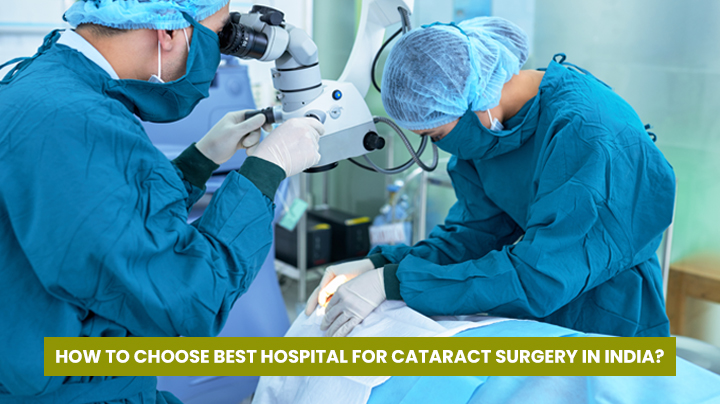
How To Choose Best Hospital For Cataract Surgery In India

How to Choose Best Hospital for Cataract Surgery in India?

Your health and wellbeing take precedence over everything else. And, when it comes to eye care, you cannot go wrong. The reason being, that your vision allows you to perform your daily tasks with ease, and you cannot compromise on its health. Therefore, if you have to opt for eye surgery, you have to choose the best hospital and the right person to do the job.

That said, several factors need consideration before you pick a hospital. If you opt for cataract surgery, whether it’s due to age or other aspects, you need an expert handling your case. Moreover, the treatment gets determined by the degree of visual impairment. Regular check-ups and keeping an eye out for any symptoms may save you from treatment if the cataract has only had a minor impact on your eyes.

Whatever the case, you need to make sure that your eye condition remains stable at all times and you receive the treatment you need without any hassles. For that to happen, you need to select the right hospital to get your cataract surgery.

What Is a Cataract Surgery?

Cataract surgery usually takes less than 15 minutes and is done under local anesthesia, making it nearly painless. While the procedure itself is relatively quick, it may take some time for your eyes to adjust to the synthetic lens used to replace your natural lens in the days or even weeks following surgery.

While you have to adhere to specific instructions post-surgery, you can rest assured that it will be successful. But, its success remains in your hands. Apart from following the instruction guide after cataract surgery, the preparation beforehand also deems necessary.

Today, in this article, you will learn why and how you can choose the best hospital for cataract surgery in India. These factors, too, determine the surgery’s success and aid you in the recovery process.

Does Cataract Surgery Require Hospitalization?

Cataract surgery removes the cloudy lens inside your eye and replaces it with an artificial lens (called an intraocular lens, or IOL) to restore clear vision. The procedure is usually done as an outpatient and does not necessitate an overnight stay in a hospital or other care facility. The majority of modern cataract procedures involve using a high-frequency ultrasound device to break up the cloudy lens into small pieces, which are then gently suctioned out of the eye.

This procedure is conducted with tiny incisions than past surgical techniques for cataract removal, resulting in faster healing and a lower risk of cataract surgery complications such as retinal detachment.

The Checklist to Choose The Best Hospital For Cataract Eye Surgery

As mentioned earlier, even the hospital you choose determines the success of your cataract surgery. Therefore, the following checklist will do wonders to help you pick out the right healthcare center for your eye surgery. If you consider all of these aspects beforehand, it will make the surgical process a smooth one. It will also minimize risks (if any).

When you account for the advancement in eye care technology, you will find a pool of hospitals and healthcare centers that offer top-of-the-line treatment and medical equipment. Moreover, the ophthalmologists associated with these hospitals usually have years of experience. Their expertise can put you at ease.

Let’s now get to the checklist to help you pick the perfect hospital for your cataract eye surgery in India:

  • Surgeon Experience

Check to see if the eye surgeon has enough experience. Going to a novice doctor’s clinic is pointless because they will bill you the same as experienced doctors but do not provide the same quality. Experienced surgeons are well-versed in the most recent technologies and have had ample hands-on experience with modern tools. Consult an ophthalmologist with at least 20 years of experience.

  • Reputation

Some eye patients may believe that a doctor’s reputation is unimportant. But it is essential when it comes to treatment. Check a doctor’s qualifications, registrations, and success rate before scheduling an appointment. If you’re having trouble getting around, go online and look at a few websites. You will learn everything there is to know about an eye surgeon. Also, if possible, look up an eye doctor’s online ratings and reviews. So you don’t end up with a specialist with a tarnished reputation.

  • Technology Used
  • Using cutting-edge technology to promote safety and accuracy in various eye surgeries, including cataract surgery, is essential these days. Consult your friends if they are sure about a particular eye specialist who performs surgery using updated and advanced medical technology. If you are unsure whether an eye specialist has all of the necessary tools, you can find out by visiting their website for more information.

  • Cataract Surgery Cost in India

Cost is an important consideration when making any decision. But you should know not to cut corners in your cataract treatment. The cost varies depending on the ophthalmologist you consult and the location. Remember that your safety and the accuracy of the procedure are the most important considerations. An expert eye surgeon, skills, technology, and modern equipment should not cost you an extravagant amount.

  • Patient Benefits

You can be confident that you will never have cloudy vision again if you have cataract surgery. Although cataract treatment changes with each advancement in technology, the procedure remains the same even today. However, now that you have new lenses to choose from, doctors have an extensive range of options that may work well for a specific patient. Whether you pick out the lens or rely on your ophthalmologist, choose one that works very well for you.

  • Friendly or Family Recommendations

If you get recommendations from friends and family members, they are always welcome. Many people are aware of cataract treatment because it is an essential eye treatment. You can inquire about a specific doctor, their experience, whether they use cutting-edge technology, whether their clinic is easily accessible and much more. If you find their responses convincing enough, take the plunge.

  • Financing Options

Many eye clinics offer to finance. You can check online to see if a specific eye clinic has this provision or not. You can also inquire with your insurance company to see if they will cover the entire cost of your cataract treatment. If that is not the case, you can consider opening a Flexible Spending Account (FSA). The funds in your FSA can be withdrawn tax-free and used for such purposes – as cataract treatment.

  • Location Advantages

Check to see if the clinic for your cataract surgery is close by and not too far off. If the hospital is far away, it can get hard. You will need to bring a friend or family member with you during the procedure. So, for your convenience, choose eye clinics or hospitals that are close to your home. Furthermore, the price may differ from one city to the next. As a result, location is also an essential factor in the cost calculation.

  • Testimonials from Previous/Current Patients

Testimonials from previous or current patients for the eye surgeon can help you decide whether they’re the right fit for you. Testimonials ensure that an ophthalmologist is effective in treating their patients. You can find these testimonials on their website, social media platforms, or other channels. Don’t forget to check each of them, and once you’re confident that the testimonials are genuine, you can schedule an appointment with the eye doctor.

  • Surgeon Commitment

If you want the procedure to go smoothly, the surgeon’s commitment is required. Check to see if the appointed ophthalmologist has any government or non-governmental organization accreditation or awards. In this case, your friends, family members, and the internet can be very beneficial. You can visit their website and read through each page to determine whether or not the surgeon understands the extent of their work and is committed to surgery.

  • Average Recovery Time

Many people report that they have clear vision within a few hours of having cataract surgery. However, everyone heals differently, so it could be a week or two until you see images in their sharpest focus. The day after the procedure, your scheduled follow-up consultation with your cataract surgeon will help you understand your progress. It ensures that no complications arise.

  • Infrastructure

During the procedure, infrastructure plays an important role. You can check if a particular eye clinic has all of the necessary amenities and equipment and that their staff members are friendly and candid. You can also find out if the eye clinic has a dark room for post-surgery patients. If an eye clinic meets all of the above requirements, you can go ahead with your cataract surgery here.

  • Comprehensive Eye Care

You should ideally seek an eye surgeon who has vast knowledge and experience in ophthalmology. They should not remain skilled in a single type of surgery but also cataracts and other eye surgeries. It ensures that a doctor is well-versed in all surgical procedures and has extensive experience in ophthalmology.

Conclusion

Your ultimate goal is to get the correct treatment for your eyes. Selecting the best hospital offers you the conviction to go for cataract surgery and emerge successfully. Therefore, in such a case, the experience and expertise of your ophthalmologist matter. Additionally, the up-to-date infrastructure and technology can ease the process and minimize any risks associated with cataract surgery. That’s why it deems essential that you pick an eye hospital or clinic that adheres to all the pointers in the checklist and makes it simpler for you.

Remember only to reach out to the most advanced eye-care hospitals and clinics for your cataract surgery. The experts at Dada Laser Eye Institute in Pune will guide you through the entire process. The doctors explain the risks involved and share their knowledge about cataracts before and after your treatment. You can get in touch with the experts and get proper consultation by giving us a call at (+91) 992 299 5549 or visit https://ladilaservision.com/ to fill out a form.