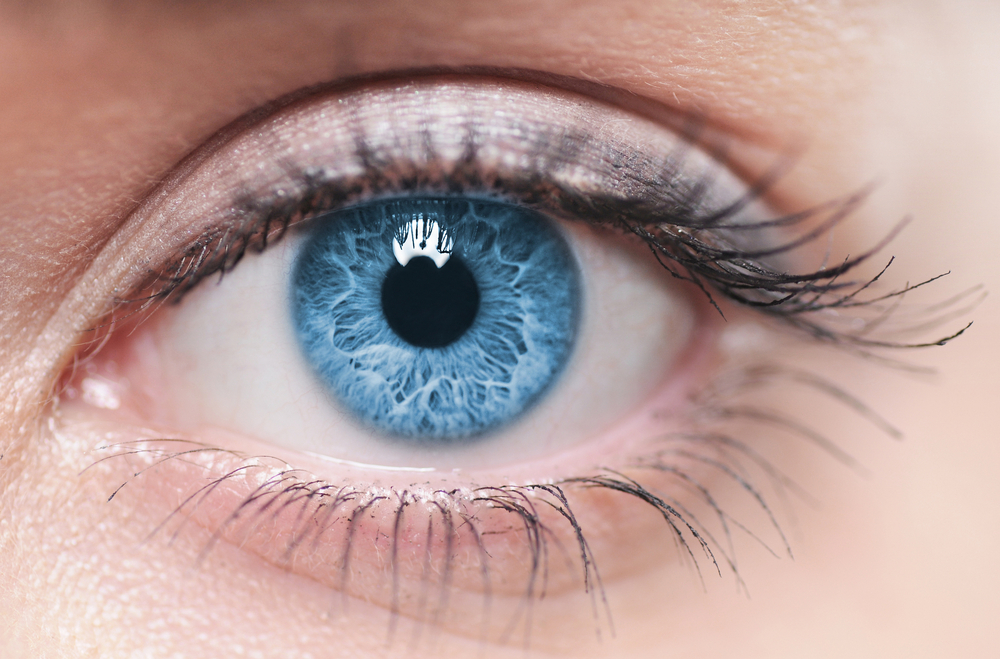
Eye allergy

Eye allergy: Spring Catarrh (Warm Weather conjunctiva)

It is a recurrent, bilateral, allergic inflammation of conjunctiva, affecting children having a periodic seasonal incidence. It is due to few allergens like grass pollens.

Those who are affected by this allergy mostly have personal / family history of allergic disorders like asthma, hay fever eczema, and eosinophilia.

More common in children. Boys are affected more. More common in summer, so it is also called as warm weather conjunctivitis. More common in tropic less in temperature zone & very rare in cold climate

Usually upper part of conjunctiva is more affected.

Symptoms: Stingy Discharge, Burning & itching sensation in eyes, watering, intolerance to bright light. Heaviness redness during summer.

How long does the allergy lasts: Clinical course of disease is self-limiting & usually burns out in 5- 10 days.

Prevention & Management: Wear dark goggles to prevent photophobia (problem with sunlight)

Cold compresses & ice packs having soothing affect.

Change of place from hot to cold climate recommended

Topical steroid and antiallergic eye drops under your ophthalmologist guidance will be effective.

dehydration-eyes

How Dehydration impacts your eyes?

DEHYDRATION:

PRIME CAUSE – NOT DRINKING ENOUGH WATER

Dehydration occurs when the body does not have enough fluid. As a critical element of the body, water is needed for various organs to function. When the body is not adequately hydrated, organs, including the eyes, suffer.

Dehydration is when more water leaves the body than enters the body. This typically happens when people stop drinking water or lose large amounts of fluid. Fluid loss occurs in daily bodily functions such as sweat, urination and bowel movements. Extreme heat, vomiting, diarhoea, alcohol and even diabetes increase the risk of dehydration.


Symptoms of dehydration


The body’s initial response to a loss of fluid is to preserve the amount of fluid still in the body by conserving water. This leads to various symptoms of dehydration including thirst and dry mouth, decreased urine output, muscle cramps, headache, light-headedness, sleepiness and a lack of tear production. When the eyes stop producing tears, they are no longer properly lubricated, which can lead to dry eye, eye strain and vision problems.

Eye Dryness

Dry eye occurs when there are insufficient tears to nourish the eye, and tears are necessary for providing clear vision. Tears wash away foreign matter in the eye and help reduce the risk of eye infections. Symptoms of dry eyes include irritation, excess watering, blurred vision and feeling foreign matter in the eye. As a symptom of dehydration, the best treatment for dry eye is rehydrating by drinking plenty of water. Eye drops can also help alleviate the symptoms by lubricating the eye and washing away foreign materials.


Tired eyes, blurred vision, headaches and double vision are all symptoms of eye strain. As with dry eye, eye strain caused by dehydration can result when the eye is not properly lubricated. Additionally, eye strain is also caused by concentrating on visual tasks or while using a digital device for an extended period of time. If caused by dehydration, drinking plenty of water will help flush out salt in the body and properly hydrate your eyes to help reduce eye strain. Resting the eye by blinking or shutting the eye will also help alleviate eye strain.


How to manage dehydration, to help ease the pain of digital eye strain.

You can prevent dehydration by drinking plenty of water throughout the day. It is especially important to intake fluid before, during and after exercise to replenish the water lost through sweating. Other tips for preventing dehydration include removing excess salt from your diet and reducing intake of alcohol, caffeine and high-protein foods.

To understand the dryness state of your eye, visit your nearest ophthalmologist. www.ladilaservision.com

sunglass-in-uv rays

Ultra violet (UV) rays

How does Ultra violet (UV) rays affect my vision??

Sunlight is major source of UV rays.

There are 2 types of UV rays namely UV-A and UV-B. Over time UV rays may cause number of eye problems.

UV-A
can hurt your central vision. It can damage the macula, a part of the retina at the back of your eye.

UV-B
The front part of your eye (the cornea and the lens) absorbs most UV-B rays, but these rays may cause even more damage to your eyes than UV-A rays


Macular Degeneration

UV rays may lead to macular degeneration, a leading cause of vision loss.

Cataract

UV rays, especially UV-B rays, may also cause some kinds of cataracts. A cataract is a clouding of the eye’s natural lens, the part of the eye that focuses the light we see.

Pterygium

Another UV-related problem is a growth called pterygium. This growth begins on the white of the eye and may involve the cornea. Eventually, the growth may block vision. It is more common in people who work outside in the sun and wind.

Skin Cancer

Skin cancer around the eyelids is also linked to prolonged UV exposure.

Corneal Sunburn

Corneal sunburn, called photokeratitis, is the result of high short-term exposure to UV-B rays. Long hours at the beach or skiing without proper eye protection can cause this problem. It can be very painful and may cause temporary vision loss.


How to protect your eyes from UV rays


  • Always use goggles whenever you are in sunlight.
  • Use of transition lenses of good quality helps a lot to reflect back UV rays from your spectacles/ glasses.
  • There are certain light sources even at home which emit UV rays, replace them with the non-harmful ones.
  • Use of polarised sunglasses also helps to protect against UV rays
lasik risk and complications

LASIK RISK AND COMPLICATIONS

LASIK procedure is helpful in living a life independent of glasses and contact lenses.

Most of the risk can be avoided by proper selection of individual for Lasik.

It’s extremely rare to get complication with significant visual loss after Lasik. The advancement in technology has reduced rate of complications drastically. This includes Bladeless  ReLex SMILE,  Femto Laser (Bladeless Lasik) technology and new age Microkeratomes (Blade Lasik).

Risk and complications of Lasik can be treated successfully by medical treatment or minor touch up procedures in most of the cases.

Treatment of Lasik Risks and Lasik complications

  1. Dry Eyes after Lasik: drink enough water (weight X 40= water in ml e.g. 60 kg X 40 = 2400 ml / 2.4 lit). Use lubricating eye drops or immune modulator eye drops like Cyclosporin
  2. Haze or blurry vision: may remain for few days in some individuals and goes with natural healing, lubricating eye drops and Omega 3 Fatty Acid rich food or Tablets
  3. Enhancement: for remaining number (under correction or over correction)
  4. Lasik Flap folds or wrinkles: repositioning flap with mild Lasik Flap Ironing and contact lens for 1-2 days
  5. Lasik Flap displacement: repositioning of flap with contact lens for 1-2 days
  6. Epithelial Ingrowth: cleaning surface with medicated solution
  7. Infection: Use of 4th generation antibiotics for infection control
  8. Diffuse Lamellar Keratitis (DLK) or “Sands of Sahara”: use of anti-inflammatory medications and in advanced cases cleaning flap
  9. Keratectasia or Keratoconus: Avoid eye rubbing, scleral contact lens, C3R & Intacs
  10. Decentred Ablation: not seen these days due to use of active eye tracking and Iris registration by New generation Lasers used all over world. It was occurring in few cases when passive eye tracking method was used.

By understanding few simple yet significant points you will be able to decide whether the Lasik surgery is ideal for you

  1. Just like every figure print is unique similarly every human eye is unique. Fact is even an individual’s 2 eyes are dissimilar. Your right eye and Left eye is also not exactly the same.
  2. Before undergoing any of the eye surgery or Lasik Treatment it is must and utmost important that people understand how their eyes work and what is best for their eyes.
  3. Lasik, the number corrective surgery is done only after detailed and thorough checking of your eyes. Pre-Lasik testing includes following:-
    • Age above 18 years and if cylindrical number more than 3 above 21 years
    • Eye power
    • Eye pressure (intra ocular pressure IOP)
    • Corneal aberrations (abnormalities )
    • Corneal curvature (shape of cornea , topography, pentacam)
    • Thickness of cornea or Pachymetry
    • Retina examination

Once all these tests results are favourable and positive one can go to next level i.e. surgery.

  1. An experienced lasik surgeon will guide you only on the basis of the testing which are done prior. Because it is very important for your eyes to undergo personalized treatment which has best results and no side effect after the procedure.

LIMITATIONS OF LASIK PROCEDURE:-

  • Very thin cornea (Implantable contact lens Can be a option)
  • If you are pregnant or lactating female.
  • Severely dry eyes.
  • Certain problems / degeneration in retina or other parts of the eye.
  • Very unstable spectacle power.

LASIK procedure is widely used procedure across the globe to provide correction of number and it is acceptable by the WHO and other governments like USA FDA.

It is successful hence it is so popular among all the age groups.

Taking expert’s guidance and choosing the best doctor will make your DREAM to see without specs even more exciting and memorable.

laser correction surgery

How to choose LASIK surgery for your eyes

LASIK treatment is widely known to make you independent from spectacle and helps you to do your work day in and day our without worrying about your specs or contact lenses.

Means after LASIK you can go for any kind of sport including wrestling, swimming etc and you really don’t need glasses or contact lens to stop you.

LASIK or Laser Correction is so popular as it has and is still benefitting huge population across the globe and is very easy way to get spectacle independence.

Before deciding for LASIK surgery it is important to understand that LASIK has various types and among all the available option which is best for your eyes.

Not all LASER correction option is suitable to every eye. You need to undergo certain corneal testing which ophthalmologist uses to guide you about the surgery which he thinks best for your eyes with the desired result.

For further understanding in opting LASIK following detail will help you to understand what are the various options available with their advantages and limitations.


Treatment type Advantages Limitations
ReLEx SMILE BLADELESS and FLAPLESS

2 mm incision surgery hence least post operative care

Inadvertent eye rubbing is allowed

Very fast recovery time

Patient having Less corneal thickness can also be treated

Not suitable

Plus number (Hyperopia) at present (May 2016)

Bladeless Femto Customvue Lasik Very precise, bladeless flap hence recovery is fast. Treats astigmatism/ high cylindrical power and plus number

(Hyperopia) accurately

Flap precautions are to be taken care like no rubbing till flap is stable.
Customvue Blade Lasik Gives personalized treatment to eye by treating highest degree of corneal abnormality (abbrations).

Very precise as it has IRIS REGISTRATION technology which register your eye and notice even a micro movement hence laser firing is on target area always.

Not recommended when corneal thickness is less

Flap precautions are to be taken care like no rubbing till flap is stable.

Photo refractive keratotomy

(PRK)

When the shape of cornea is not normal. No flap. Variants – LASEK, Epi-Lasik, ASA Work resume after 15 days. return of some spectacle number is possible. Eye drops used for longer duration
Implantable Contact Lens (ICL) When the eye power is extremely high and none of the procedure can be done

When thickness of cornea is less

Increase quality as well as quantity of vision

More Invasive than Relex Smile or Lasik